Investing in Spec Homes: What Buyers Need to Know
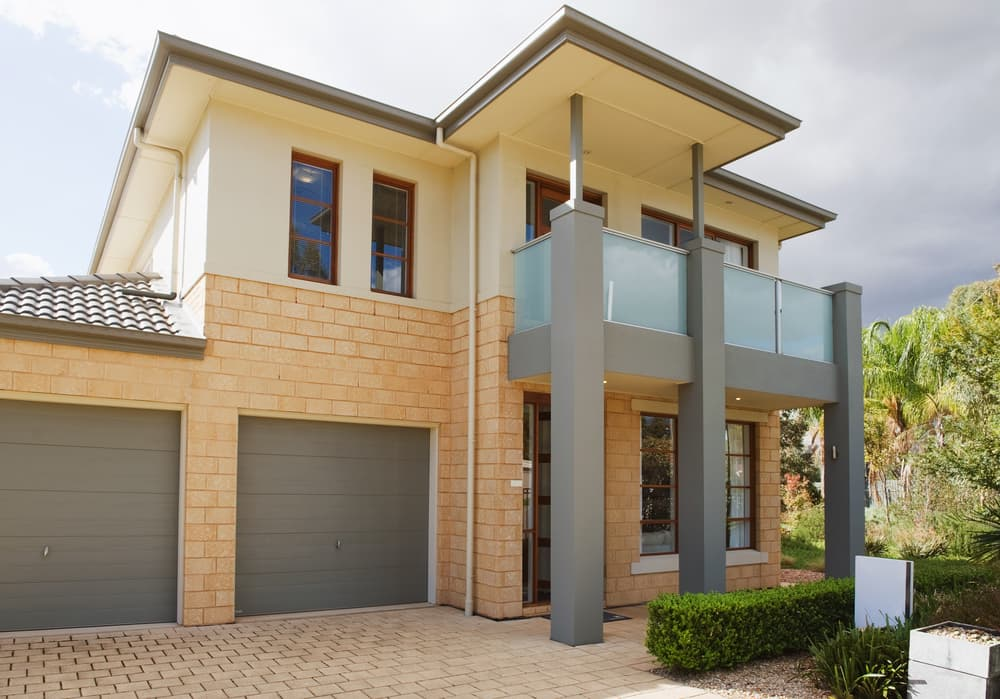
Real estate investment continues to attract buyers looking for stable returns, long-term value, and portfolio diversification. Among the many property types available, spec homes have gained significant attention due to their unique balance of speed, convenience, and modern design.
Unlike custom-built properties, spec homes are developed by builders based on market demand rather than individual buyer requests. This makes them highly appealing for both end-users and investors who want a ready or near-ready asset with reduced waiting time.
However, investing in this segment requires a clear understanding of risks, benefits, and the role of spec home construction in shaping property value and market performance.
What Are Spec Homes in Real Estate Investment?
Spec homes are residential properties built by developers without a committed buyer in advance. Instead, builders create homes based on popular layouts, neighborhood demand, and current market trends.
From an investment perspective, these properties offer a unique opportunity: they are often completed or near completion, allowing buyers to evaluate the finished product before purchasing.
This reduces uncertainty compared to off-plan investments, where buyers commit before construction begins.
Why Spec Homes Attract Investors
One of the key reasons investors are drawn to spec homes is their immediate usability. Since these homes are already built or nearly finished, they can generate rental income or resale value much faster than traditional new builds.
Additional advantages include:
- Lower construction uncertainty
- Faster entry into rental markets
- Predictable pricing based on finished product
- Reduced risk of construction delays
Because of these benefits, spec homes are increasingly seen as a practical investment option in competitive housing markets.
The Role of Spec Home Construction in Investment Value
Understanding spec home construction is essential for evaluating investment potential. The construction process is typically standardized, efficient, and based on proven design models.
Developers focus on:
- Cost-effective materials
- Popular architectural layouts
- Energy efficiency features
- Fast construction timelines
- Broad buyer appeal
This approach ensures that homes remain attractive to a wide range of future buyers or tenants.
For investors, this means reduced risk and improved resale potential, especially in high-demand locations.
Return on Investment Potential
Investing in spec homes can generate returns in several ways:
1. Property Appreciation
As housing demand increases, the value of well-located spec homes may rise over time.
2. Rental Income
Since these homes are move-in ready, investors can immediately place tenants and begin generating cash flow.
3. Quick Resale Opportunities
Because spec homes are built for broad appeal, they often sell faster in the resale market compared to highly customized properties.
A well-executed investment strategy can combine all three benefits for maximum return.
Risks Involved in Spec Home Investments
While spec homes offer many advantages, they are not risk-free.
Common risks include:
- Market fluctuations affecting resale value
- Overbuilding in certain areas
- Limited customization affecting buyer preferences
- Interest rate changes impacting affordability
Investors must carefully evaluate local market conditions before committing.
A strong understanding of spec home construction quality and location demand is essential for minimizing risk.
Location Matters More Than Ever
In real estate investment, location remains one of the most important factors. This is especially true for spec homes, where design is often standardized but location determines long-term value.
Investors should consider:
- Proximity to schools, transportation, and employment hubs
- Neighborhood development plans
- Future infrastructure projects
- Demand for rental housing in the area
Even a well-built home can underperform if it is located in a weak market.
Financing Spec Home Investments
Financing plays a crucial role in making spec homes accessible to investors. Because these properties are often completed or near completion, financing is generally simpler than off-plan developments.
However, investors still need to secure appropriate funding structures to maximize returns.
Companies like builderfinance.com provide specialized financial solutions that support developers and investors involved in spec home construction, helping bridge the gap between project completion and market entry.
Market Demand and Timing
Timing is critical when investing in spec homes. Real estate markets fluctuate, and demand can shift based on economic conditions, interest rates, and population growth.
Investors should:
- Monitor local housing trends
- Track inventory levels of spec homes
- Analyze buyer demand in target areas
- Avoid oversaturated markets
Understanding timing helps maximize profitability and reduce holding risks.
Comparing Spec Homes to Other Investment Types
To better understand their value, it is useful to compare spec homes with other property types:
- Custom Homes: Higher customization but longer timelines and higher risk
- Off-Plan Properties: Lower upfront cost but higher uncertainty
- Spec Homes: Balanced option with faster delivery and moderate risk
This makes spec homes particularly attractive to investors seeking stability and speed.
The Importance of Construction Quality
Even though spec homes follow standardized designs, construction quality varies by developer.
Investors should evaluate:
- Materials used in spec home construction
- Builder reputation and track record
- Inspection reports and certifications
- Energy efficiency and durability standards
High-quality construction directly impacts resale value and tenant satisfaction.
Long-Term Investment Strategy
Successful investment in spec homes requires a long-term perspective. While short-term gains are possible, the strongest returns often come from holding properties over time or strategically renting them out.
Investors should align their strategy with market conditions and financial goals.
Diversification across multiple properties may also reduce risk.
Future Outlook for Spec Home Investments
The future of spec homes looks strong as housing demand continues to rise globally. Builders are increasingly relying on efficient spec home construction methods to meet demand quickly and cost-effectively.
Trends shaping the future include:
- Increased use of smart home technology
- Sustainable and energy-efficient building practices
- Modular and prefabricated construction methods
- Data-driven design decisions based on buyer behavior
These innovations are expected to enhance investment stability and attractiveness.
Conclusion
Investing in spec homes offers a practical and efficient way to enter the real estate market with reduced uncertainty and faster returns. By understanding spec home construction, evaluating location, and analyzing market demand, investors can make informed decisions that maximize profitability.
While risks exist, careful planning and research can significantly improve outcomes.
With financial support solutions like builderfinance.com, investors and developers are better equipped to participate in the growing spec homes market. As demand continues to rise, this property type is likely to remain a strong option for both short-term gains and long-term wealth building.