How to Use Silicone Sealant on Wet Surfaces with SANVO
When dealing with sealing tasks, many wonder: can you put silicone on wet surface? Generally, applying silicone sealant to a dry surface is recommended for optimal adhesion. However, some advanced formulations, like those offered by SANVO, are designed to work on wet or damp surfaces. This makes them highly effective in environments where moisture is unavoidable, such as bathrooms, kitchens, and outdoor repairs. SANVO silicone sealants create a strong, flexible bond even in challenging conditions, making them a reliable choice for both DIYers and professionals.
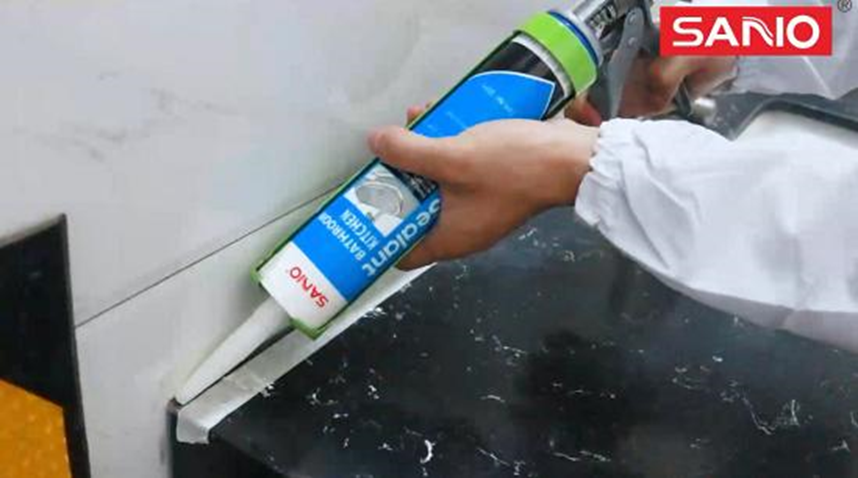
Tips for Applying Silicone Sealant on Wet Surfaces
For the best results, proper preparation is essential before applying silicone sealant to wet surfaces. First, remove any debris, mold, or grease from the surface to ensure a clean application. Although SANVO silicone sealant can adhere to damp areas, wiping off excess water will improve bonding strength. When applying the sealant, ensure even coverage along the seam or joint, using a steady hand for precision. If needed, use a smoothing tool to press the sealant into place and remove air pockets. Since moisture-resistant silicone takes longer to cure than traditional sealants, allow sufficient drying time for a durable and waterproof seal.
Conclusion
So, can you put silicone on wet surface? While traditional silicone requires dry conditions, SANVO offers advanced formulations that adhere effectively to damp surfaces. By following proper application techniques and choosing the right sealant, you can achieve a long-lasting and waterproof seal even in challenging conditions. Whether for home improvement or industrial projects, SANVO silicone sealants provide a reliable solution for sealing wet areas efficiently.