Storage and Handling Tips for Schedule 80 PVC Fittings on Job Sites
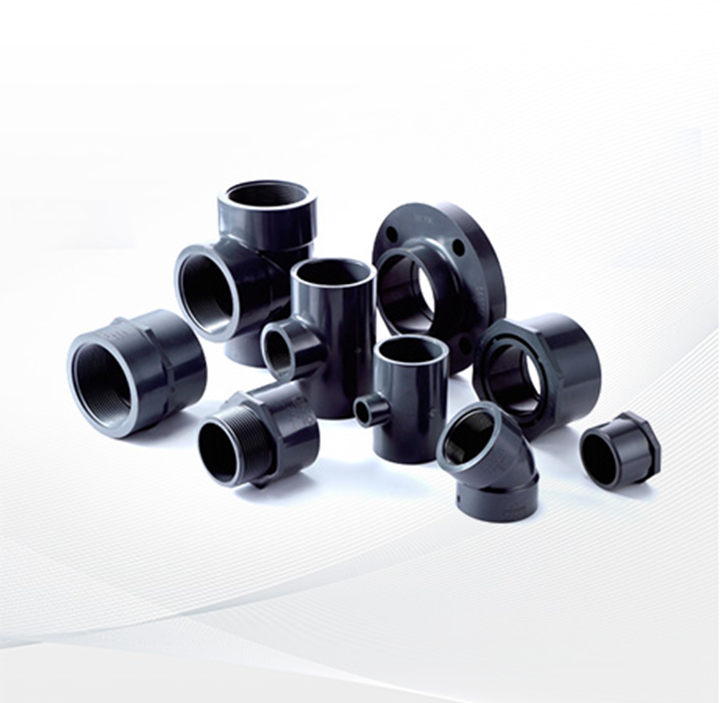
Schedule 80 PVC fittings are built for strength and pressure resistance, but they still require careful handling on job sites to maintain their integrity. Whether used in industrial, commercial, or municipal systems, these fittings must remain free from cracks, warping, and contamination prior to installation. LESSO America offers durable Schedule 80 PVC fittings, and preserving their condition through proper job site practices helps ensure optimal performance.
Protecting Fittings from Environmental Damage
Extended exposure to sunlight and extreme temperatures can impact the physical properties of PVC. To prevent UV degradation and thermal distortion, Schedule 80 PVC fittings should be stored indoors or under a UV-resistant cover. LESSO America recommends keeping the fittings in a dry, shaded area to prevent premature aging or brittleness.
Fittings should also be protected from dirt, chemicals, and construction debris. Contaminants on sealing surfaces or threads can interfere with connections and compromise leak resistance. Using protective caps or containers helps keep fittings clean until they’re ready to be used.
Smart Handling Practices on the Job Site
Rough handling or stacking fittings improperly may lead to damage that is not always visible at first glance. Dropping heavy fittings or placing excessive weight on stored boxes can cause micro-fractures that later fail under pressure. Workers should carry and place fittings carefully, using proper support to avoid unnecessary stress on the parts.
Organizing fittings by size and type helps reduce time spent searching for components, and minimizes handling. LESSO America encourages contractors to inspect each fitting before installation to catch any signs of cracks, warping, or contamination early.
Conclusion
Proper storage and handling of Schedule 80 PVC fittings contribute directly to system reliability and long-term performance. LESSO America supports contractors and installers by providing quality fittings and encouraging best practices on job sites. By taking a few extra steps to protect fittings during storage and transport, professionals can avoid unnecessary repairs and ensure smooth installations.