Mastering the Art of Spray Painting PVC Pipes with SANVO Paint
Spray painting PVC pipes can be a challenging task due to the smooth, non-porous nature of the material. However, with the right preparation and paint, you can achieve a long-lasting, durable finish. Here’s a step-by-step guide on how to spray paint PVC pipes effectively using SANVO spray paint, ensuring that your pipes remain protected for years to come.
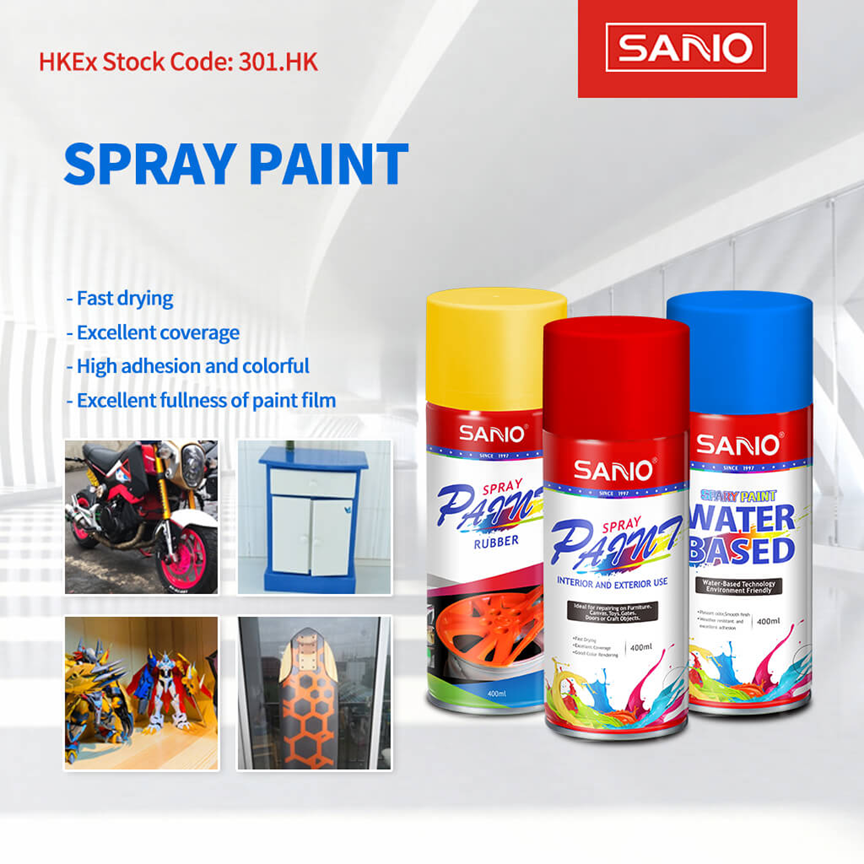
Why PVC Pipes Need Special Care for Painting
Spray painting PVC pipes are notoriously difficult to paint due to their smooth surface. Unlike wood or metal, PVC doesn’t absorb paint easily, making it prone to peeling and chipping if not properly prepped. Additionally, Spray painting PVC pipes are exposed to environmental stress such as UV rays, moisture, and heat, all of which can degrade the paint if it’s not specially formulated for these conditions. This is why choosing the right paint, like SANVO spray paint, is crucial for a long-lasting finish.
Maximizing Durability with SANVO Spray Paint
SANVO spray paint is engineered to withstand the harsh elements, offering UV, moisture, and heat resistance. This ensures that your Spray painting PVC pipes will remain vibrant and intact for longer periods. To maintain the finish, periodically clean the Spray painting PVC pipes and inspect for any signs of wear. If the paint starts to fade or peel, it’s time to give your pipes a touch-up with another layer of SANVO spray paint.
Conclusion
In conclusion, while spray painting PVC pipes may seem difficult due to their smooth surface, proper preparation and the right paint make all the difference. By using SANVO spray paint, designed specifically for challenging materials like PVC, you can achieve a durable and long-lasting finish that withstands environmental factors like UV rays and moisture. With regular maintenance and touch-ups, your Spray painting PVC pipes will retain their protective and aesthetic qualities for years, ensuring they continue to perform well in various conditions.