The essential Role of a Maid Domestic Helper in Modern Households
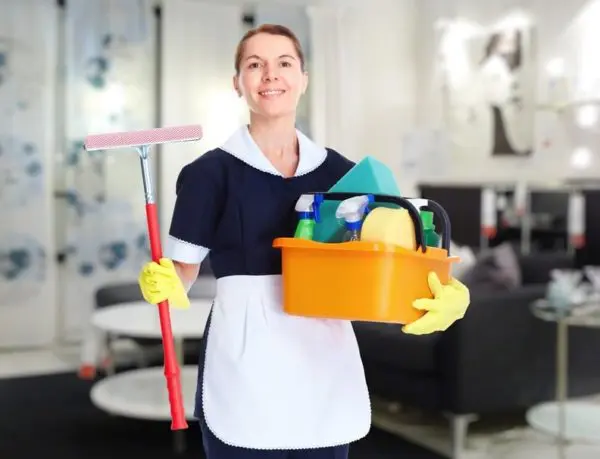
In today’s fast-paced world, managing work, family, and personal responsibilities often leaves little time for household chores. Many families seek assistance from a maid Domestic Helper, whose role has become increasingly significant in supporting modern lifestyles 女傭. Whether it is cleaning, cooking, childcare, or elderly care, these professionals provide essential services that improve the quality of life for many households around the globe.
A maid Domestic Helper is not simply a worker who completes tasks; rather, they contribute to the harmony of the home. They bring relief to individuals who juggle busy careers, parents who balance work and raising children, and elderly family members who require consistent care. Understanding their importance, challenges, and contributions sheds light on why their role should be valued and respected.
The importance of Household Support
Household responsibilities can be overwhelming, especially in families with young children, dual-income parents, or elderly relatives who need constant attention. A maid Domestic Helper provides practical solutions by taking over routine tasks such as cleaning, laundry, cooking, and grocery shopping. This support allows families to spend more quality time together, instead of being overwhelmed by chores.
In many cultures, hiring a domestic helper has become a necessity rather than a luxury. Urban living, long working hours, and limited extended family support make it challenging for individuals to manage everything on their own. A professional maid Domestic Helper ensures that households run smoothly and efficiently, reducing stress for the entire family.
Diverse Roles and Responsibilities
The duties of a maid Domestic Helper go far beyond just cleaning the home. They adapt to the unique needs of each family, providing flexible assistance. Some of the most common responsibilities include:
- **Childcare: ** Domestic helpers often take care of children by preparing meals, helping with school routines, and ensuring a safe environment.
- **Elderly Care: ** Families with aging parents or grandparents often rely on helpers to assist with daily activities, medication reminders, and companionship.
- **Cooking and Meal Preparation: ** A maid Domestic Helper may handle grocery shopping, meal planning, and cooking according to the family’s dietary needs.
- **Household Management: ** From organizing spaces to managing laundry and cleaning, helpers ensure that the home remains comfortable and welcoming.
By taking on these tasks, they give family members the freedom to focus on work, education, or personal development.
Skills and Qualities of a Good Maid Domestic Helper
To succeed in their role, a maid Domestic Helper requires more than just basic housekeeping skills. Strong organizational abilities, time management, and attention to detail are crucial for maintaining an orderly household. Good communication skills are equally important, especially when working with children, elderly individuals, or families from diverse cultural backgrounds.
Reliability and trustworthiness are the most valued qualities in a domestic helper. Since they often handle sensitive household matters, employers must feel confident in their integrity. Patience, adaptability, and a positive attitude are also essential traits that help them adjust to different households and family expectations.
The relationship Between Employers and Helpers
The relationship between a family and their maid Domestic Helper is built on mutual respect and understanding. While helpers provide invaluable services, it is important that they are treated fairly and ethically. Clear communication about roles, working hours, and expectations helps avoid misunderstandings.
Employers should also recognize the importance of offering proper rest days, fair wages, and safe working conditions. Many helpers live away from their own families to support households in other countries, which can be emotionally challenging. Creating a supportive environment makes them feel valued, ultimately resulting in better performance and stronger loyalty.
Challenges Faced by Domestic Helpers
Despite their crucial contributions, many domestic helpers face challenges such as long working hours, lack of privacy, and limited labor rights in some regions. Cultural differences and language barriers can also create difficulties in communication. Additionally, being separated from their own families for extended periods can lead to emotional stress and loneliness.
It is essential for societies and employers to acknowledge these challenges and implement measures that protect and uplift helpers. Training programs, legal protections, and awareness campaigns play a vital role in ensuring that domestic workers are respected and supported.
Cultural and Global Perspective
The role of a maid Domestic Helper varies across countries. In some Asian and Middle Eastern nations, domestic helpers are highly in demand due to large family structures and cultural expectations. In Western countries, part-time domestic helpers are more common, focusing on specific tasks like cleaning or babysitting.
Regardless of location, the presence of domestic helpers reflects the evolving dynamics of family life in modern societies. With increasing urbanization, demanding work schedules, and longer commutes, domestic support has become an integral part of daily living.
The future of Domestic Assistance
The future of domestic work is likely to evolve with advancements in technology and changes in societal structures. While smart appliances and cleaning robots may reduce the workload, the human touch of a maid Domestic Helper cannot be replaced. Emotional support, personal care, and adaptability are qualities that technology cannot replicate.
Furthermore, as awareness of workers’ rights grows, the domestic help sector may see improvements in regulations, training, and recognition. A greater emphasis on fair treatment and skill development could transform the perception of domestic helpers from “household workers” to “household professionals. ”
Why Respect and Appreciation Matter
At its core, the work of a maid Domestic Helper is about service, dedication, and care. Yet too often, their efforts go unnoticed. Acknowledging their contributions through simple gestures of appreciation can make a significant difference. Respectful treatment not only boosts morale but also fosters a healthier relationship between employers and helpers.
Recognizing that domestic helpers are individuals with their own dreams, families, and challenges is crucial. By treating them with dignity and fairness, society can ensure that their role continues to positively impact families and communities.
Conclusion
The role of a maid Domestic Helper is far more than household maintenance; it is about enabling families to thrive in demanding environments. Their support allows parents to focus on careers, children to grow in nurturing environments, and elderly family members to receive compassionate care. Despite challenges, their resilience and dedication make them essential pillars of many households worldwide.
As society progresses, it is important to not only acknowledge but also uplift the status of domestic helpers. They deserve recognition, respect, and fair treatment for the vital work they perform. A maid Domestic Helper is not just a worker but a trusted partner in maintaining balance, harmony, and well-being in the modern home.