What is “Kissing Disease,” and Why Does EBV Screening Matter
Mono, or infectious mononucleosis, is a contagious illness usually caused by the Epstein-Barr virus (EBV). Often referred to as the “kissing disease,” mono spreads easily through bodily fluids like saliva. This makes it particularly common among teenagers and young adults who may share drinks or engage in close social interactions. The nickname “kissing disease” reflects this mode of transmission. Sansure stressed the importance of raising awareness about the virus.
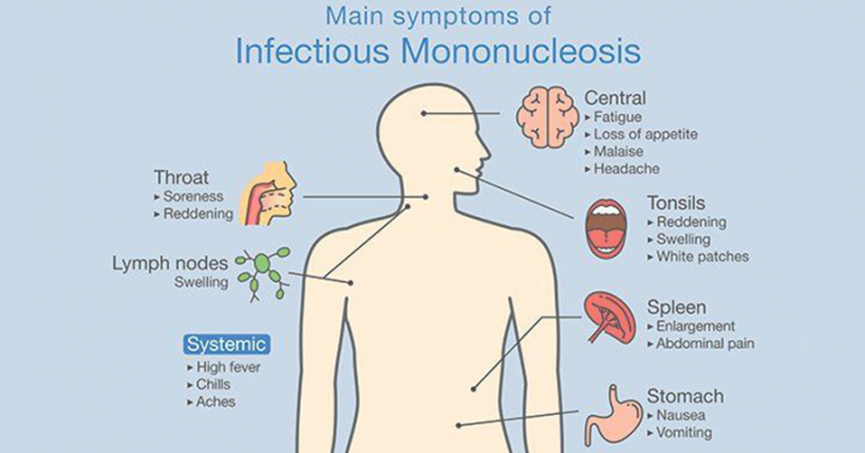
Symptoms and the Importance of EBV Screening
Mono is characterized by fever, sore throat, and extreme fatigue, along with swollen lymph glands, most often in the neck. These symptoms can closely resemble those of other medical conditions, making diagnosis challenging. Considering the symptoms of mono may resemble other medical conditions, EBV screening for a diagnosis is of great significance. Accurate testing can help differentiate between mono and other illnesses, leading to appropriate treatment and management.
Understanding Kissing Disease Importance of Inspection
Sansure emphasizes the importance of early detection through EBV screening. Identifying the presence of the Epstein-Barr virus can guide patients and healthcare providers in understanding the severity of the illness and the best course of action. Early intervention can prevent complications and improve recovery times.
Conclusion
In summary, understanding what the “kissing disease” is and the role of EBV screening is crucial for effective diagnosis and treatment. Mono, caused by the Epstein-Barr virus, presents with symptoms that can easily mimic other conditions. Therefore, EBV screening becomes an essential tool in ensuring patients receive the correct diagnosis and care. Awareness of the “kissing disease” and its implications can lead to better health outcomes and a more informed public.