How a Hermetic Seal Protects Components from Moisture and Contamination
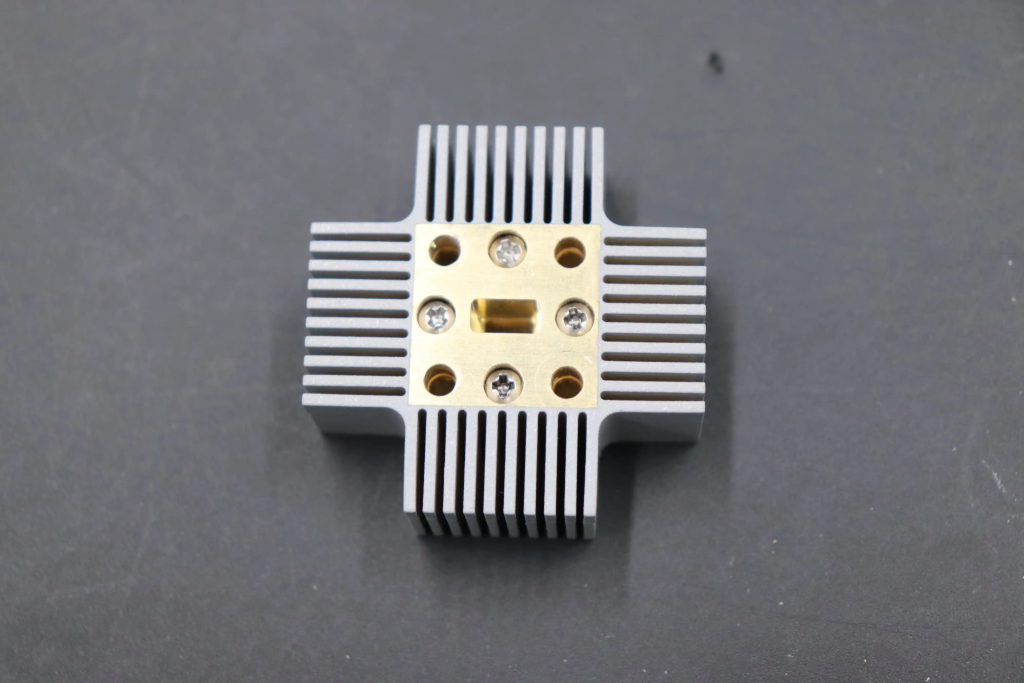
In modern high-performance industries, protecting sensitive electronic and mechanical components from environmental damage is essential for ensuring reliability, safety, and long-term functionality. Whether in aerospace systems, defense electronics, semiconductor equipment, medical devices, or industrial automation, exposure to moisture and contamination can quickly lead to system failure. This is why hermetic seals, hermetic connectors, and the hermetic seal itself play a critical role in safeguarding advanced technology.
A hermetic seal creates an airtight and impermeable barrier that prevents gases, liquids, moisture, dust, and other contaminants from entering sensitive enclosures. When combined with hermetic connectors and feedthrough systems, it forms a complete protective solution that ensures electrical and structural integrity even in the harshest environments. Companies such as PAVE Technology are known for developing advanced hermetic solutions that meet the strict requirements of mission-critical applications.
Understanding Moisture and Contamination Risks
Moisture and contamination are among the most common causes of failure in electronic and mechanical systems. Even small amounts of water vapor or airborne particles can significantly impact performance.
Effects of Moisture Intrusion
Moisture can lead to:
- Corrosion of metal components
- Electrical short circuits
- Degradation of insulation materials
- Reduced conductivity
- Formation of conductive paths
- Component swelling or damage
Over time, these effects can cause complete system failure if not properly controlled.
Effects of Contamination
Contamination can come from dust, chemicals, gases, or microscopic particles. These contaminants may result in:
- Signal interference
- Mechanical wear
- Blockage of sensitive components
- Chemical reactions damaging surfaces
- Reduced system efficiency
In precision industries such as semiconductor manufacturing or aerospace engineering, even microscopic contamination can lead to significant operational issues.
What Is a Hermetic Seal?
A hermetic seal is a specialized sealing method designed to completely block the passage of gases, liquids, and other environmental contaminants. Unlike standard seals that may degrade over time, hermetic seals are engineered for long-term durability and extreme environmental resistance.
Hermetic seals are commonly used in:
- Electronic housings
- Vacuum systems
- Aerospace components
- Medical implants
- Industrial sensors
- High-pressure equipment
The key advantage of a hermetic seal is its ability to maintain a stable internal environment regardless of external conditions.
How Hermetic Seals Work
Hermetic sealing works by creating a permanent, airtight bond between two materials—typically metal, glass, or ceramic. This bond is designed to eliminate any gaps or pathways through which moisture or contaminants could enter.
Common hermetic sealing methods include:
Glass-to-Metal Sealing
This method creates a strong bond between glass insulators and metal housings. It provides excellent electrical insulation and long-term leak protection.
Ceramic-to-Metal Sealing
Ceramic materials are bonded to metal components to create seals that can withstand high temperatures and harsh environments.
Metal Welding and Brazing
In some applications, metals are joined using advanced welding or brazing techniques to achieve airtight sealing.
Each of these methods is selected based on application requirements such as temperature range, pressure conditions, and electrical needs.
Role of Hermetic Connectors in Protection Systems
While hermetic seals protect enclosures, hermetic connectors ensure that electrical connections do not compromise the sealed environment.
Hermetic connectors are specially designed components that allow electrical signals or power to pass through a sealed barrier without allowing moisture or contaminants to enter.
They are widely used in:
- Aerospace avionics systems
- Defense communication equipment
- Medical diagnostic devices
- Semiconductor manufacturing tools
- Industrial control systems
By integrating hermetic seals and connectors, engineers can maintain both electrical functionality and environmental protection simultaneously.
The Importance of Hermetic Feedthrough Systems
A key application of hermetic sealing technology is the hermetic feedthrough, which allows electrical conductors to pass through sealed walls while maintaining full environmental isolation.
Without hermetic feedthroughs, every electrical connection into a sealed system would become a potential leak point. This would significantly increase the risk of contamination and failure.
Hermetic feedthrough systems ensure:
- Secure electrical transmission
- Complete environmental isolation
- Long-term system reliability
- Resistance to harsh conditions
Manufacturers such as PAVE Technology develop advanced feedthrough solutions that combine high-performance hermetic sealing with reliable electrical connectivity.
How Hermetic Seals Prevent Moisture Ingress
Moisture prevention is one of the most important functions of a hermetic seal. Moisture molecules are extremely small and can easily penetrate traditional sealing materials over time.
Hermetic seals prevent moisture ingress by:
- Creating a continuous impermeable barrier
- Eliminating micro-gaps between materials
- Using materials with low permeability
- Withstanding pressure and temperature variations
- Maintaining structural integrity over time
This makes hermetic sealing especially important in humid, marine, or outdoor environments where moisture exposure is constant.
Protection Against Chemical Contamination
In industrial and laboratory environments, chemical exposure is another major concern. Vapors, gases, and corrosive substances can degrade sensitive components if not properly isolated.
Hermetic seals protect against chemical contamination by:
- Preventing gas diffusion into sealed systems
- Resisting chemical corrosion
- Maintaining stable internal environments
- Isolating sensitive electronics from reactive substances
This is especially important in semiconductor manufacturing and chemical processing industries.
Material Selection for Hermetic Performance
The effectiveness of a hermetic seal depends heavily on the materials used in its construction. Different materials provide different levels of protection and durability.
Common materials include:
- Stainless steel for corrosion resistance and strength
- Titanium for lightweight and high-strength applications
- Nickel alloys for high-temperature resistance
- Ceramics for electrical insulation and thermal stability
- Specialized glass materials for sealing interfaces
These materials are carefully selected to ensure compatibility and long-term performance under specific operating conditions.
Companies like PAVE Technology utilize advanced material engineering to ensure optimal performance of hermetic seals and connectors in demanding environments.
Testing and Validation of Hermetic Seals
To ensure reliability, hermetic seals undergo strict testing procedures before deployment.
Helium Leak Testing
This method detects extremely small leaks by using helium gas as a tracer. It is one of the most accurate ways to verify hermetic integrity.
Thermal Cycling Tests
Components are exposed to repeated temperature changes to ensure durability under thermal stress.
Pressure Testing
Seals are tested under varying pressure conditions to confirm structural integrity.
Environmental Testing
This includes exposure to humidity, chemicals, vibration, and other real-world conditions.
These tests ensure that hermetic systems can perform reliably in critical applications.
Benefits of Hermetic Protection
Using hermetic seals and connectors provides numerous advantages:
- Long-term environmental protection
- Improved system reliability
- Reduced maintenance requirements
- Increased equipment lifespan
- Enhanced safety and performance
- Protection in extreme environments
These benefits are essential for industries where system failure is not an option.
Industrial Applications of Hermetic Seals
Hermetic sealing technology is widely used across many industries:
Aerospace
Protects avionics and communication systems from extreme conditions.
Defense
Ensures reliability in mission-critical military systems.
Semiconductor Manufacturing
Maintains ultra-clean environments for chip production.
Medical Devices
Protects sensitive diagnostic and implantable equipment.
Industrial Systems
Supports sensors and control systems in harsh environments.
Each application relies on hermetic seals to ensure consistent performance and safety.
Conclusion
Moisture and contamination pose serious threats to the reliability and performance of modern electronic and mechanical systems. A hermetic seal provides a highly effective solution by creating a permanent barrier that prevents environmental intrusion while maintaining structural and electrical integrity.
When combined with hermetic connectors and hermetic feedthrough systems, hermetic sealing technology ensures complete protection for sensitive components in demanding applications. With advanced engineering solutions from companies like PAVE Technology, industries can achieve superior reliability, safety, and performance even in the harshest operating conditions.
As technology continues to evolve, hermetic seals will remain a foundational element in protecting critical systems from moisture and contamination, ensuring long-term stability and operational success.